pickl eball center Era Pickleball: Premium Courts
In the world of pickleball, the space between a good court and a great one often comes down to design choices, maintenance practices, and the culture that grows around a facility. Era Pickleball has built a reputation that extends beyond the chalk lines of its courts. The brand speaks to players who want more than a place to swing paddle in a hurry. They want a center that understands the rhythm of the game, the discipline of practice, and the social fabric that makes a sport memorable. This article digs into what premium courts look like in the Era Pickleball ecosystem, how the experience translates into real value for players and communities, and what savvy courtside decisions can mean for the long arc of a pickleball program.
From the outset, Era Pickleball is not simply a place to rent space. It is a professional environment designed to support a wide spectrum of players, from recreational weekend warriors to ambitious competitors chasing national rankings. The center’s identity rests on three pillars: top-tier court quality, a thoughtfully designed training ecosystem, and a hospitality approach that makes visitors feel seen and supported. The result is a facility that invites repetition and growth rather than reservation fatigue.
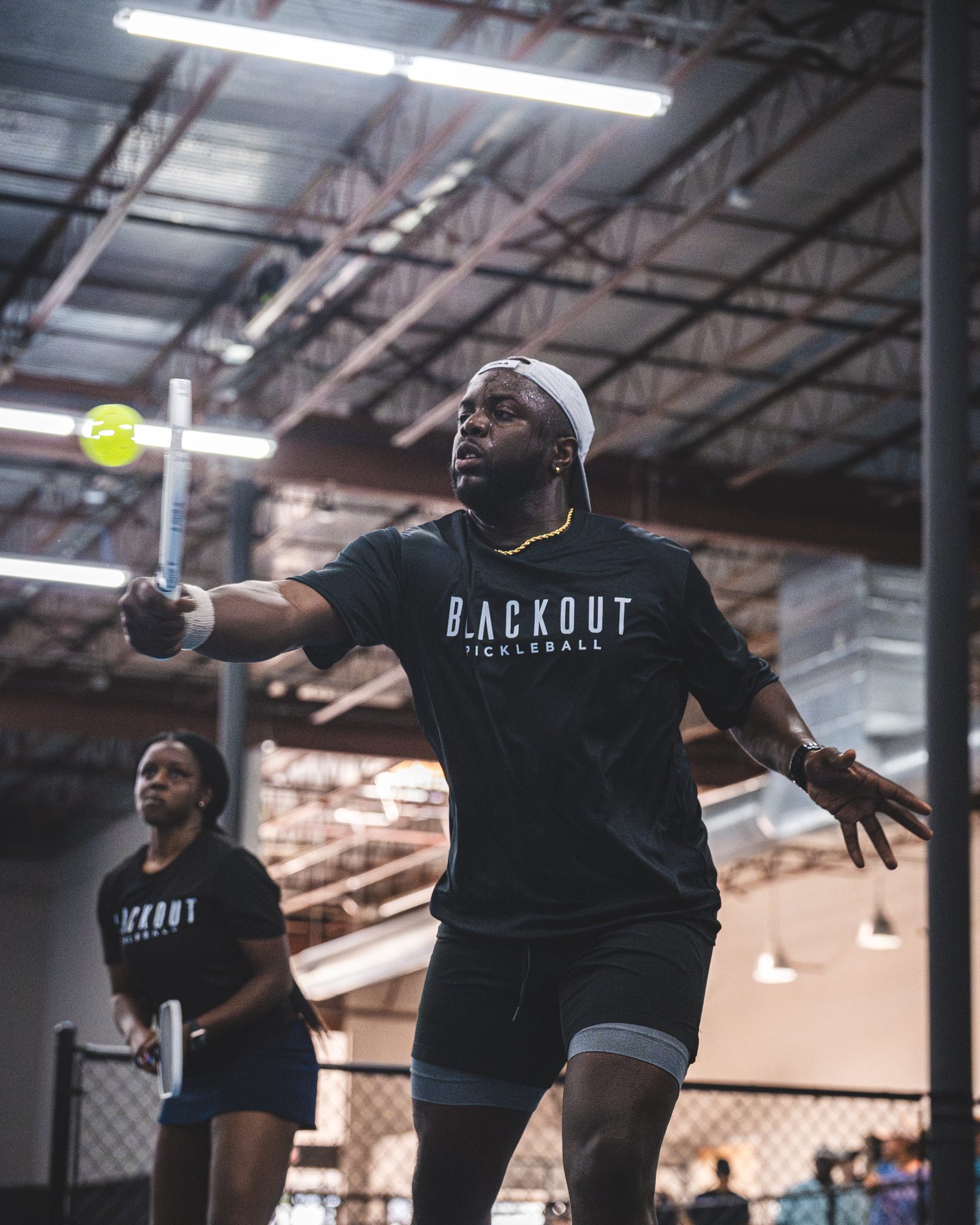
A close look at court quality reveals a blend of precise engineering and ongoing stewardship. Premium courts in this setting begin with the fundamentals: standardized measurements, consistent bounce, predictable skid resistance, and durable surface materials that respond reliably under both indoor and climate-controlled conditions. Era Pickleball uses surfaces that strike a balance between friction and forgiveness. Players tell the difference quickly when court seams are clean, lines are crisp, and color contrasts help with ball tracking during rapid rally exchanges. These are not cosmetic concerns. They influence shot selection, player confidence, and even injury risk.
Behind the scenes, the maintenance routine matters as much as the finished product. A rigorous check-in cadence ensures lines stay bright, nets stay taut, and lighting maintains uniformity across evenings and tournaments. The center often leans into a preventative approach rather than reactive fixes. In practical terms, this means scheduled resurfacing intervals, non-slip coatings in high-traffic areas, and an inventory of spare parts that minimizes downtime during busy seasons. This operational discipline creates a level of reliability that is rare when a facility experiences quick turnover or rapid expansion.
A premium court environment also hinges on an intimate understanding of the players who populate it. Era Pickleball is selective about how it staff teams on and off the court. Trainers and instructors are not merely certified; they bring a lived record of competitive play, coaching at multiple levels, and the ability to adapt drills to varying skill sets. The staff’s practical intelligence shows in how they guide a session, how they push players to test limits without compromising safety, and how they communicate feedback. It is the difference between a workout that is effective for a few days and a training habit that becomes a reliable arc of improvement over months and years.
The social architecture of a premium center matters just as much as the physical courts. Pickleball is a social sport by nature, and Era Pickleball recognizes that the practice of the sport lives in the hours outside of matchplay too. Quiet stretches before a session, informal tips shared during a mid-game break, indoor pickleball courts and post-match reflections over a cup of coffee all contribute to a culture that values growth, sportsmanship, and connection. The center designs spaces that support this culture without forcing social interaction. There are quiet corners for focused practice, larger lounges where players can debrief after a tough set, and efficient, unobtrusive signs that remind visitors about facility rules and event schedules without interrupting the flow of play.
A common theme across premium environments is an intentional alignment between the facility’s capabilities and the expectations of its members. Era Pickleball’s approach to this alignment shows up in several concrete ways. First, the court layout minimizes interference during peak hours, with a well-considered traffic pattern that keeps spectators and players moving smoothly. Second, the center offers a spectrum of rental options that fit different needs—from short sessions for casual players to long blocks for teams, clubs, and academies. Third, the programming calendar is dense enough to provide real choice but curated so that it does not overwhelm anyone who wants to dip a toe into the sport or ramp up training for a specific goal.
The facility’s relationship with the broader pickleball ecosystem matters as well. A premium center in the Era Pickleball network often serves as a hub where local leagues, academies, and tournaments converge. For players, this means easier access to sanctioned events and consistent opportunities to test progress against a broader field. For the community, it means more visibility for youth programs, clinics, and charitable initiatives that leverage the appeal of the sport to support broader goals such as fitness, inclusivity, and community engagement. The impact is real: more families walking through the door, more routines built around healthy activity, and more conversations about the long-term health of the sport.
A crucial part of the premium experience is the way information is shared and consumed. The Era Pickleball model tends to rely on crisp communication channels: a user-friendly website, a responsive front desk, and a predictable event schedule that can be accessed from mobile devices or desktop dashboards. This transparency matters. When players know what is offered, what times are available, and what the pricing structure looks like, they can plan more effectively. They can also see how their participation contributes to a larger sense of momentum in their own skill development and in the local pickleball ecosystem.
The court rental experience at Era Pickleball blends flexibility with discipline. For many players, the decision to practice at a center like this comes down to a few essentials: time management, court availability, and the quality of the practice environment. A well-run rental program makes it straightforward to lock in a block, renew a session without friction, and receive consistent access during busy periods. The best centers also provide helpful extras, such as spectator seating that does not disrupt play, climate control that keeps players comfortable across seasons, and surface monitoring that can flag issues before they become problems. These details add up to a dependable routine that players can count on when their lives are busy or when a tournament schedule demands precision.
From a coaching perspective, Era Pickleball centers often double as training sites, and that means a deeper layering of services beyond court access. Coaches affiliated with the academy or visiting instructors bring notebooks of drills, video analysis options, and performance metrics that help players quantify progress. A mature program knows when a player needs more than mechanics and when to emphasize strategy, shot selection, or movement patterns. It also tends to recognize the psychological aspects of training—the way a routine reduces nerves before a crucial match, the importance of sleep and recovery for peak performance, and the role of daily practice in building confidence beyond the scoreline.
To an observer listening to players discuss their sessions, a premium Era Pickleball center feels like a place where practice carries intention and playfulness in equal measure. You hear stories of late-summer ladder leagues that became social gatherings, mid-winter clinics that brought together players from different communities, and the quiet satisfaction of seeing a new student rally through a difficult rally with a smile on their face. These moments illustrate how dedicated facilities become more than their physical assets. They become catalysts for habits that endure, friendships that form, and a shared vocabulary that members carry with them in every match.
The experience does not happen by accident. It results from careful design decisions that reflect both current best practices in court technology and a willingness to test new approaches. A premium era in pickleball centers will often feature updates that keep pace with the evolving demands of the sport. For instance, many facilities are experimenting with mixed-use spaces that can convert quickly from a court into a small event venue or a clinic room during the day, without sacrificing the core playing environment. These flexible configurations require thoughtful acoustics, adaptable lighting, and durable, modular furnishings that withstand heavy use. The goal is to strike a balance between stability and adaptability so that the center remains relevant as the sport itself evolves.
On the technical side, the choice of materials and the design of drainage systems can yield meaningful differences in everyday usability. A court that handles humidity and minor spills without a long drying period reduces disruption during training blocks and tournaments. The best surfaces also hold up under high-frequency use, resisting scuffing and color wear that can develop with aggressive play. In practice, this translates to lower maintenance costs over time and more reliable court availability for members who rely on consistent access to court time.
A premium clinic or academy within the Era Pickleball framework often cultivates a pipeline of players who aspire to move from recreational play into competitive circles. The ethos here centers on small, targeted drills that accumulate into larger improvements. A typical session might begin with a movement warm-up that emphasizes ankle and hip mobility to protect against common injuries seen in pickleball. Drills then progress to controlled ball placement, footwork patterns, and transition sequences that simulate late-game rallies. Instructors weave feedback into the drill sequences in a way that feels natural rather than prescriptive, ensuring players stay engaged while absorbing practical lessons.
The value proposition for families and newer players emerges from the onboarding experience. A premium center tends to offer introductory programs that demystify the sport while clearly mapping out a path toward improvement. This might involve a structured beginner course, followed by a short progression track that introduces more nuanced shot selections and court positioning. The benefit here is not just skill development but confidence. When a beginner sees steady progress over a few weeks, their willingness to return rises, and the likelihood of turning casual visits into regular participation increases.
As with any substantial investment in sport infrastructure, there are trade-offs and edge cases worth considering. A premium pickleball center, particularly one that emphasizes a robust academy and court rental ecosystem, will face pricing pressures during off-peak seasons and around major tournaments. The challenge is to maintain the quality of facilities while offering fair access to a broad spectrum of players. This often means a tiered pricing strategy that respects time commitments and creates clear incentives to book blocks of court time rather than single sessions. It also means a commitment to ongoing capital maintenance and system upgrades, even when budgets tighten. In practice, some centers experiment with member-focused pricing that rewards loyalty with upgrades or occasional complimentary instructional blocks, while others rely on a more transactional model that emphasizes flexibility and speed of service.
The floor plan of a premium Era Pickleball center tends to reflect the balance between efficiency and hospitality. There is a deliberate zoning that separates high-volume practice areas from quiet zones where players can review video or plan their next drill. The reception and retail spaces are designed to feel welcoming without becoming crowded, and storage solutions are integrated into the architecture so that gear remains neatly organized rather than scattered around the courts. The result is a sense of calm and order that can help players focus on technique and strategy rather than the friction of a cluttered environment.
Another important consideration is accessibility. A top-tier center makes it easy for players with different levels of mobility to participate. This can mean accessible locker rooms, ample seating, and adjustable-height benches near the courts. It can also involve flexible scheduling that accommodates families with school-aged children, retirees, and working professionals who can fit play into mornings, evenings, or weekends. Accessibility is not a single feature but a constellation of design decisions that, taken together, create an inclusive space that honors everyone who shows up.
The community impact of a premium Era Pickleball center is measurable in ways that resonate beyond wins and losses. Participation rates rise when the facility becomes a regular habit rather than a one-off errand. The social networks formed in the lounges and clinic rooms translate into increased physical activity, better social outcomes for families, and a kinder, more collaborative culture on and off the court. The economic ripple can be visible in local partnerships, local employment opportunities, and the ability of a center to host events that draw people from neighboring towns and neighborhoods. In short, a premium center can become a community anchor, a place where people come to learn, compete, and connect.
The soul of Era Pickleball centers lies in the people who inhabit them. Instructors who show up with modest egos and strong communication skills are a rare asset. They push players to strive for precision without becoming punitive, to celebrate small wins, and to normalize the long arc of improvement. Players who treat practice as work, not punishment, tend to stay longer and improve more quickly. The interplay between these dynamics—the professional discipline of the coaches and the curiosity of the students—creates a self-sustaining ecosystem that supports both immediate gratification and patient, long-term growth.
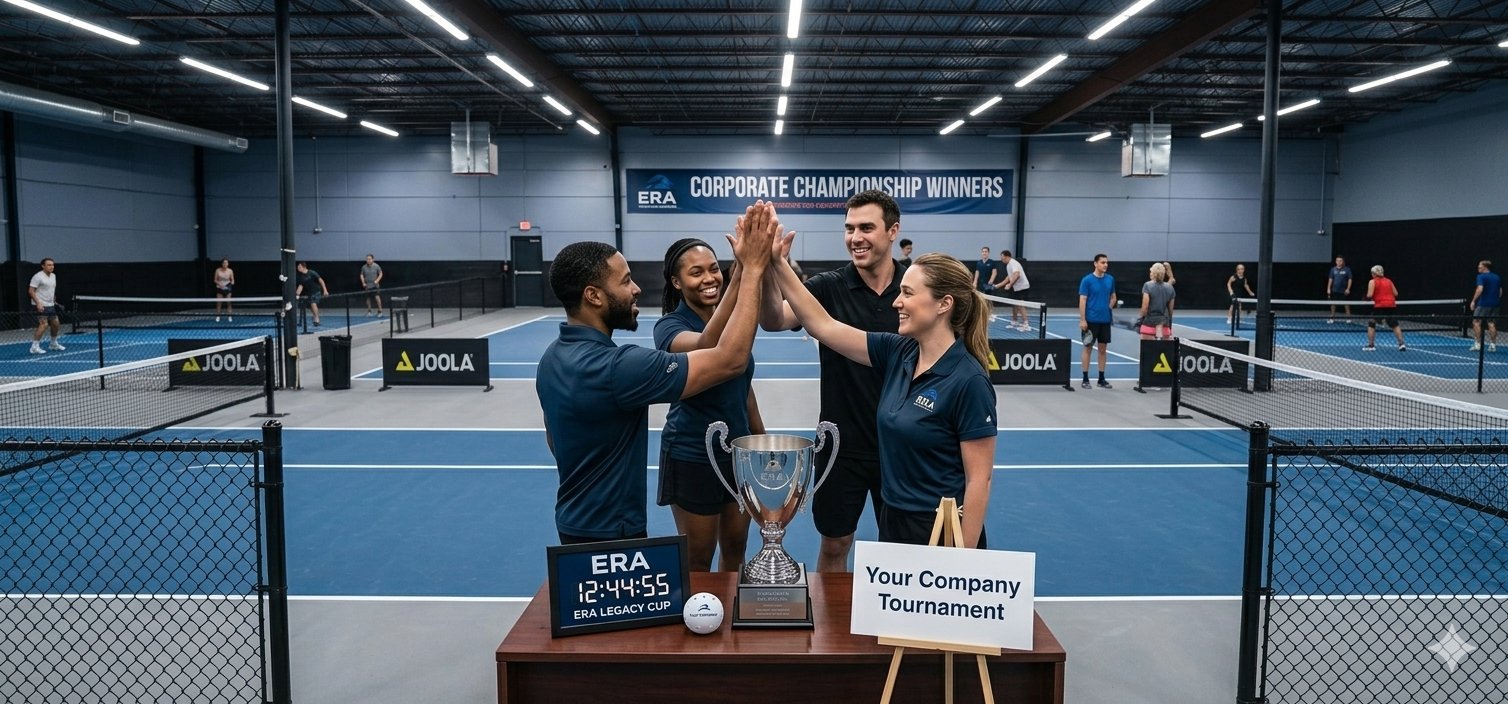
A natural question for leaders considering investment in this space is how to measure success. Analytics in modern pickleball centers range from utilization rates and court turnover to more qualitative metrics like participant satisfaction, perceived safety, and the strength of the coaching pipeline. The most robust programs track both. They monitor court occupancy during peak hours and also survey players about the usefulness of the drills they are receiving. They analyze how many players move from introductory sessions into more advanced clinics and how many customers extend their memberships across multiple quarters. The best operators use these insights to refine offerings, schedule adjustments, and even the layout of the facility itself.
For players, there is a practical wisdom that emerges from experience with premium centers. First, show up with a plan. If you have specific goals—improving a dink, sharpening a backhand, or testing a new service placement—note them before you walk onto the court. Bring a water bottle, a towel, and a readiness to engage with instructors in a constructive way. Second, treat coaching as a cooperative process. Feedback is most useful when it is clear and actionable, not a broad judgment of skill. Third, respect the shared nature of the space. Even in a high energy environment, a courteous attitude toward teammates, opponents, and staff creates conditions where everyone can perform their best.
From the perspective of someone who has watched the evolution of pickleball centers, the Era Pickleball model represents a synthesis of professional standards and human-centered design. It shows how a court-centric activity can become a coherent practice system—a way of playing that organizes time, attention, and intention around progress. The best centers do not simply host games; they cultivate a culture of disciplined play, ongoing learning, and social connection. That combination helps ensure that a premium court experience remains relevant as players move through different life stages and the sport itself continues to grow.
To speak to the practical specifics of participation and access within Era Pickleball, consider the following real-world patterns that players and organizers experience as the center scales its operations:
First, the court inventory must match demand and seasonality. A premium center will calibrate its court mix to reflect peak times, other local venues, and the likelihood of tournaments. If demand spikes around certain weeks, the scheduling system should support batching of blocks for teams, clinics, and leisure play, while preserving enough capacity for casual drop-ins. This approach reduces bottlenecks, increases predictability for players, and ensures that coaches can plan their sessions with sufficient lead time.
Second, the academy component requires careful alignment with competition pathways. A strong program will offer a visible ladder of achievement—foundational skills, intermediate strategy blocks, and advanced tactics that culminate in competitive readiness. The coaching staff should be able to move players through this ladder on a schedule that matches their development pace, while maintaining a culture that prizes sportsmanship and mutual support. The best academies also create opportunities for players to showcase their progress in local showcases or sanctioned events, which helps sustain motivation and community visibility.
Third, the facility culture can be stewarded with simple rituals that reinforce the values of growth and respect. For example, a brief debrief at the end of a clinic that invites participants to share what they learned and what they will practice next can reinforce learning and camaraderie. A regular recycling and waste reduction program, mindful of the environment, can become part of the center’s identity. These small practices accumulate into a durable sense of belonging that goes beyond the physical space.
Fourth, safety must be a non-negotiable priority. Premium centers invest in staff training on injury prevention, provide clear guidance on injury reporting and return-to-play protocols, and maintain surfaces that minimize slip risk. They also encourage players to warm up properly, to hydrate, and to recognize when pain requires medical attention rather than playing through it. A culture that treats safety as a shared responsibility helps players ride out the natural uncertainties of sport and return to the court stronger.
Fifth, technology and data should be leveraged judiciously. Video analysis, shot-tracking, and performance dashboards can accelerate learning when used purposefully, not as a distraction. The best programs integrate these tools seamlessly into practice sessions, with instructors guiding players on how to interpret insights and apply them to drills. The aim is to enhance intuition and muscle memory, not to overwhelm learners with numbers or create a sense of surveillance.
In terms of long-term strategy, premium centers in the Era Pickleball network can benefit from sustained community partnerships. Schools, youth organizations, and local businesses can become part of a collaborative ecosystem that expands access to the sport while generating mutual value. A well-structured outreach program could include after-school clinics, corporate wellness events, and charity tournaments that support local causes. When a center contributes to community well-being in concrete ways, it earns goodwill that translates into repeat visits, word-of-mouth referrals, and a broader base of support for ongoing investments.
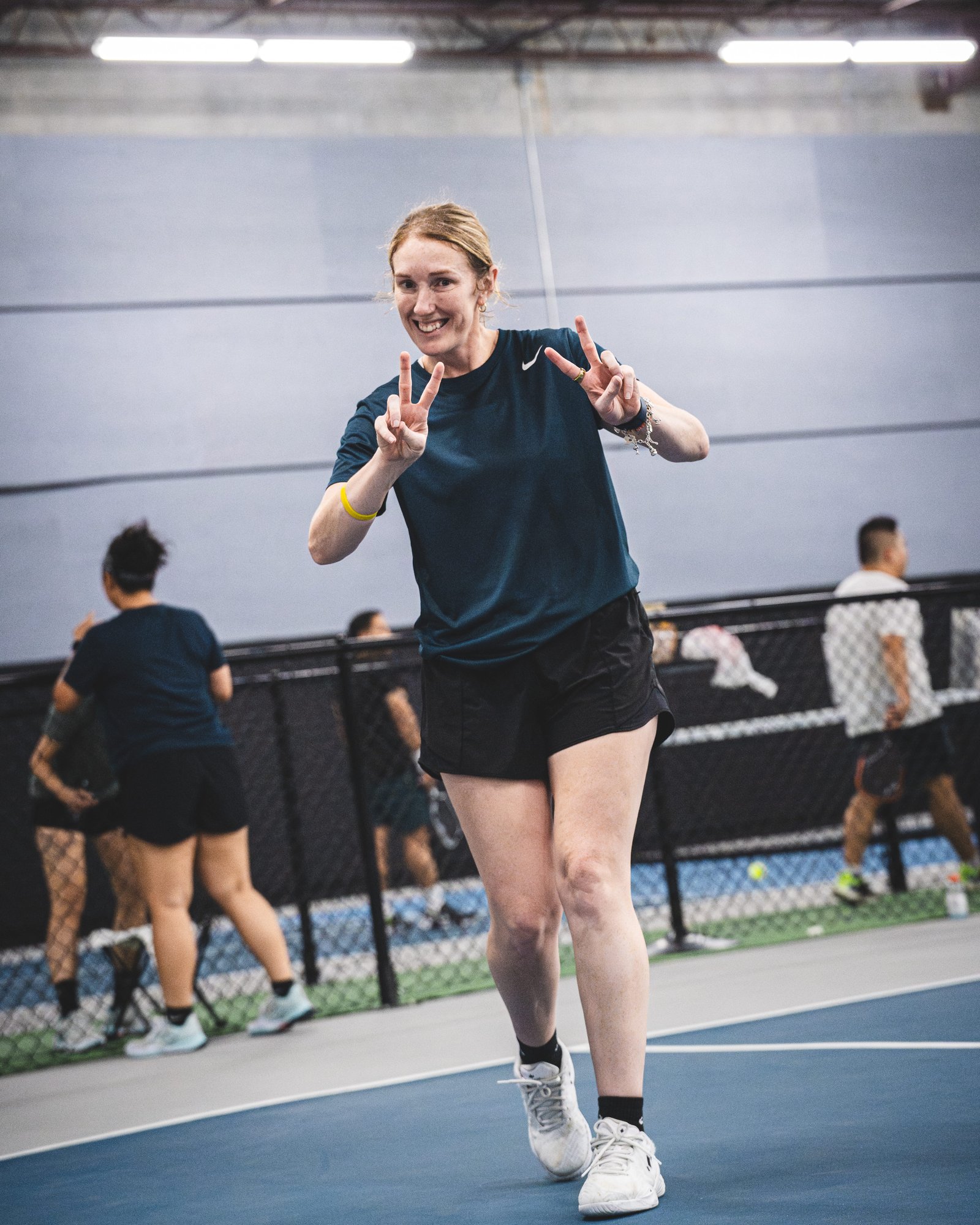
The potential downsides should be acknowledged with candor. Any large-scale facility must contend with maintenance costs that rise as wear and tear accumulate. A center that tries to cut corners on resurfacing or lighting to save money in the short term may pay a heavier price through inconsistent play quality and higher incident rates later. Similarly, an academy or coaching program that overemphasizes competition at the expense of inclusive participation risks alienating newcomers who are the lifeblood of a sport’s future.
One of the enduring advantages of Era Pickleball centers is the clarity of purpose they convey to players who walk through the door. The emphasis on premium courts, robust training ecosystems, and hospitable service aligns with a broader trend in sport toward professionalization without sacrificing accessibility. In this sense, the center acts not only as a place to play but as a living laboratory for the sport’s development. Players, coaches, and families borrow from this environment a language of improvement, a cadence for practice, and a shared sense of belonging that makes the daily grind of training feel worthwhile.
If you are contemplating whether Era Pickleball’s premium courts and court rental model fit your needs, consider a practical approach to evaluation. Start with a visit that includes watching a clinic or a short practice session. Note how the staff interact with players, how the court surfaces respond to different shot types, and how the lighting influences your ability to track the ball. Speak with a coach about your goals and ask about the pathways the center offers for progression, whether through the academy or a structured series of clinics. Look for a facility that can demonstrate a track record of consistent open court time, reliable equipment, and a supportive community that will welcome players at different stages of their journey.
Far beyond the bricks and paint, premium courts are about the interplay of performance and belonging. Era Pickleball centers strive to make that balance tangible in every hour of operation. They want players to feel that their time on the court matters, whether they are chasing a personal best, building a family habit, or simply enjoying a friendly rally with friends. They want staff to anticipate needs, not merely react to requests, and they want an environment where the idea of improvement feels possible with steady, deliberate effort.
This is the subtle promise behind premium courts: that with the right combination of surface, lighting, space, coaching, and culture, a facility can become a partner in your journey. It is not enough to provide a space to play; the space must actively nurture the practice. It must encourage consistency, reward curiosity, and protect players from unnecessary friction as they pursue a healthy, active lifestyle. When a center achieves this, it earns trust in a way that extends far beyond a single session or a single season.
The Era Pickleball center experience is not a one-size-fits-all proposition. It benefits from the ability to tailor programming to the local community and the preferences of members. A smaller center can maintain the intimacy of a club while still offering the advantages of a formal academy. A larger facility can grow an ecosystem that includes multiple courts, diversified programming, and a broad network of partners. Both models share a commitment to premium quality and purposeful practice. In the end, the success of a pickleball center rests on the perceived value players derive from their time there—and on the willingness of the organization to listen, iterate, and invest in the elements that matter most to real players.
The narrative of premium courts also includes the quiet, ongoing work of community building. When a center hosts clinics, social mixers, and friendly tournaments, it creates an ongoing cadence that players come to anticipate. The best centers schedule regular events that succeed not just because they are well run but because they feel like authentic social gatherings. The smiles in the lounges after a close match, the shared laughs in entrees when a pickleball joke lands just right, the casual exchanges about gear and technique all point to a culture that sustains itself through relationship as much as through facility.
If there is a single thread tying everything together, it is the intention behind every design choice. Premium courts are not sterile or detached from the human experience. They are engineered with an understanding of how players learn, how muscles recover, how nerves fluctuate before big rallies, and how a sense of belonging makes practice feel less like work and more like a shared pursuit. Era Pickleball centers crystallize that philosophy into a concrete practice: meticulous attention to court performance, a structured yet flexible framework for coaching, and a welcoming, supportive atmosphere that invites players to bring their full selves to the court.
As you consider the next steps in your pickleball journey, imagine a center where every decision—from court color to coaching style to the lay of a lounge chair—contributes to a sense of momentum. A place where you can arrive with a specific goal and leave with a plan that feels tangible and doable. A hub where your progress is visible, where you are encouraged to test new shots, and where the community around you grows as you grow. That is the essence of a premium Era Pickleball experience, a place that earns its reputation not in flashy promises but in the quiet, consistent excellence of daily practice and shared purpose.
Two ideas often emerge in conversations about premium courts and premium experiences. The first is the value of time. In a sport that rewards repeat practice and careful refinement, time becomes the most precious resource. A center that optimizes scheduling, minimizes downtime, and eliminates friction around equipment access provides a return on that time that players can feel in every session. The second idea is the value of mentorship. When players connect with instructors who bring real-world experience, the learning process becomes more than technique. It becomes a pathway toward confidence, competition, and community. The Era Pickleball model places both ideas at the heart of its operations, grounding lofty aspirations in something practical and repeatable.
Ultimately, the premium court experience is the sum of many small decisions executed consistently over time. The paint on the lines, the way the ball bounces off a particular surface, the courtesy shown by staff when a bell rings signaling the end of a session, the availability of high-quality training blocks in the calendar—all these details accumulate into a living standard. For players who want to train seriously, for families looking to establish a weekly ritual, and for organizers seeking a scalable, sustainable model, that standard translates into dependable value and lasting joy on the court.
If you are evaluating facilities across a region, use Era Pickleball as a benchmark for what premium should feel like. Look for courts that hold up under long rallies and heavy foot traffic, check that the practice areas flow smoothly from drill to match, and listen for a staff voice that balances expertise with approachability. The best centers are those where every interaction—from the front desk to the coaching room—contributes to a sense that you are part of something bigger than a single booking.
The journey toward premium courts is ongoing. Surface chemistry evolves, technology progresses, and the sport itself expands in ways that keep players honest and curious. Era Pickleball centers embody this ongoing evolution by committing to steady improvement, honest communication, and a clear promise to place players and their development at the center of every decision. For those who care deeply about the craft of pickleball, that is a compelling reason to seek a court in this ecosystem, to join a program that values perseverance, and to become part of a community that treats practice as a form of artistry as much as a path to athletic achievement.
In closing, a premium Era Pickleball center offers more than a place to play. It provides a discipline and a culture, a curated environment where the quality of the court is inseparable from the quality of instruction, and where the social fabric supports every rally. The result is a space that invites repeated visits, sustained improvement, and a sense that the sport is growing in a direction that recognizes the needs and aspirations of players at every level. That synthesis—the court, the coaching, and the community—forms the heart of the Era Pickleball experience and stands as a model for how premium facilities in any sport can deepen participation while elevating performance.